


From Cossacks to Peasants: The Formation of Slavic Settlements in Eighteenth-Century Kazakhstan
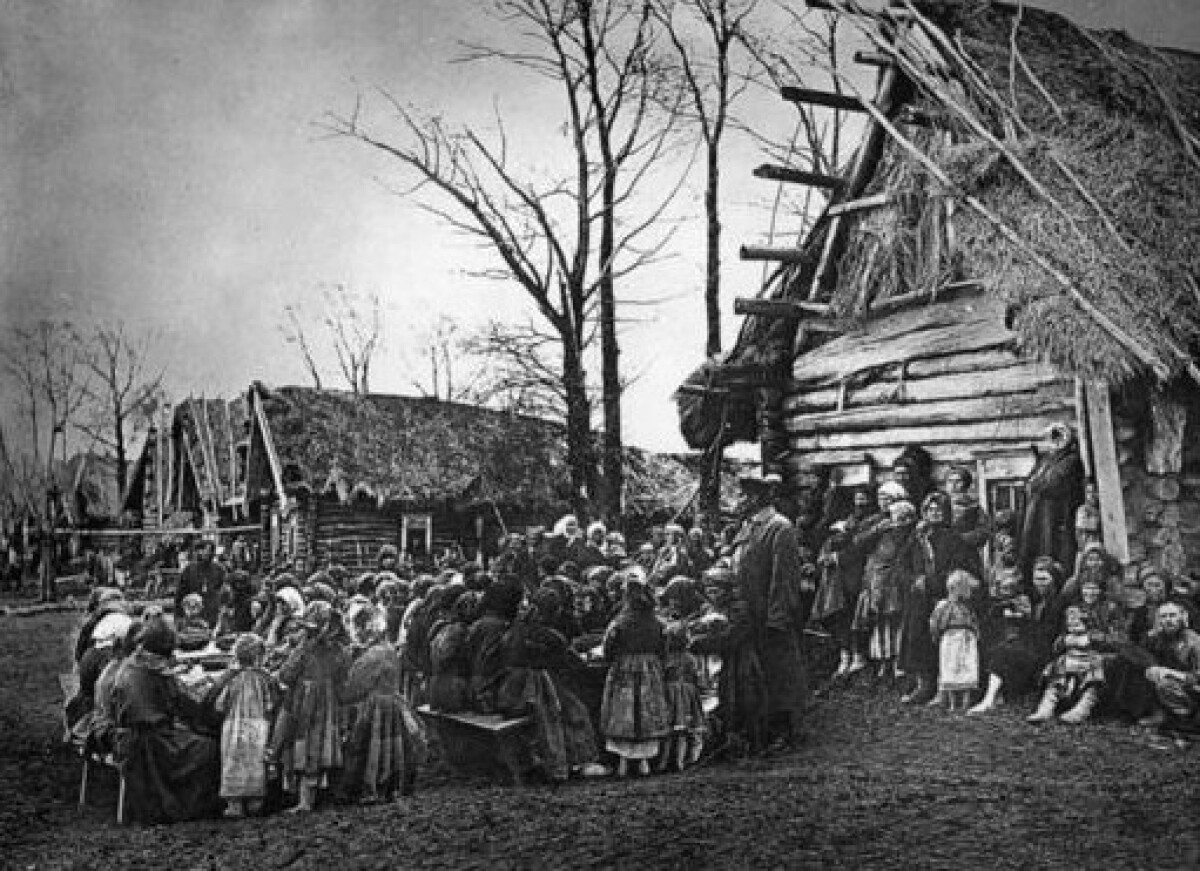
During the eighteenth century, the western and north-eastern regions of present-day Kazakhstan became important zones of Russian imperial expansion. Fortresses, redoubts, military outposts, and fortified border lines appeared across the steppe and along major rivers. These structures were not only defensive installations. They also became centres around which new settlements developed and a permanent Slavic population gradually took shape.
In the article “Slavic Population in Western and North-Eastern Kazakhstan in the XVIII Century,” published in Astra Salvensis in 2018, A. Taskuzhina, Z. Shahaman, M. Bekmagambetova, R. Bekmagambetov, S. Ismailov, and S. Tourehanova examine this process. The authors show that the region’s Slavic population did not emerge through a single organized migration. It was formed from several groups, including Cossacks, soldiers, retired servicemen, peasants, artisans, religious refugees, exiles, and convicted settlers.
The study presents military colonization and agricultural settlement as closely connected processes. Border troops secured imperial control, while civilian and semi-civilian communities supplied food, labour, and a permanent population. Together, they helped incorporate the Kazakh steppe into the political and administrative system of the Russian Empire.
The Western Frontier and the Yaik Cossacks
In western Kazakhstan, the earliest major Slavic communities were associated with the Volga and Yaik Cossacks. The Yaik Cossacks settled around the Yaik River, later known as the Ural. They had emerged partly from the disintegration of earlier Volga Cossack communities and included people from many different backgrounds.
Their population was ethnically and socially diverse. It was replenished by runaway peasants from central and northern Russia, as well as by Cossacks arriving from the Volga, Don, Terek, and Ukrainian territories. Many Old Believers also joined the Yaik communities after fleeing religious persecution by the imperial government.
These religious refugees established settlements in the Yaik region and along the Ural River. Initially, much of the population was concentrated in Yaik town and nearby settlements, but it later spread toward the river’s lower reaches.
Although the Yaik Cossacks had recognized themselves as servants of the Russian state in the early seventeenth century, they retained considerable autonomy for a long time. This independence was gradually restricted as the imperial government strengthened its control over the frontier.
By the end of the first quarter of the eighteenth century, there were 3,196 active Cossacks on the Yaik. The authorities considered this number insufficient to guard the border and sent an additional 2,000 Cossacks from Siberian towns. Fortified settlements and outposts were then established along the river, each supported by military garrisons.
The construction of these posts had a broader demographic purpose. According to officials cited in the study, the Yaik and Ui defensive lines were expanded partly to increase the Russian population in the region. The authorities encouraged settlers to remain near the outposts by offering salaries and access to the fishing resources of the Ural River.
Servicemen from settlements along the Kama and members of the Orenburg garrisons also joined the frontier communities. Through this mixture of military deployment, economic incentives, and permanent settlement, a legally recognized Russian population emerged along the Ural border.
In 1758, another 1,000 Don and Yaik Cossacks were sent into the steppe. By 1769, approximately 15,000 Cossacks were serving the state in the region. Kazakhs could occasionally enter Cossack service, but only after conversion to Orthodox Christianity and baptism. According to the study, such cases remained rare.
After the Pugachev uprising, in which the Yaik Cossacks played a major role, the government tightened its control. Officials restricted the admission of fugitives from Russia and introduced inspections at frontier posts to prevent unauthorized migration.
The western frontier also included the Ilek Cossacks, many of whom came from Yaik settlements. Their primary responsibility was to defend the line against attacks. By the beginning of the nineteenth century, several thousand people lived along the lower and upper sections of this fortified zone.
Fortified Lines in the North-East
The formation of Slavic settlements in north-eastern Kazakhstan followed a similar pattern but developed within a different geopolitical context. The destruction of the Dzungar state created new opportunities for Russian expansion into northern and eastern territories.
The empire constructed a system of strategic and defensive infrastructure, including the Irtysh, Kolyvan, Novo-Ishim, and other fortified lines. These installations created the conditions for larger-scale migration and agricultural colonization in the surrounding areas.
At first, the government attempted to staff the lines with Cossacks temporarily assigned from Siberian towns. Efforts to transfer many of them permanently were unsuccessful, partly because the authorities feared weakening internal security in Siberia.
Regular troops were therefore also used. In 1747, five dragoon regiments were sent to the Kolyvan and Novo-Ishim lines. In 1758, they were reinforced by units of Don and Ural Cossacks.
The population of the fortresses included military personnel, retired soldiers, Cossacks, and craftsmen. Some posts remained relatively small. Presnogorkovsk Fortress, for example, had a population of 257, most of whom were military personnel.
Settlement along the New Line combined government direction with a degree of voluntary peasant migration. The line, however, was built on lands used by Kazakhs. Thousands of Yaik and Don Cossacks were transferred there from Siberian fortresses and the former Ishim line.
Cossacks were also sent from Tobolsk, Tyumen, Tara, and Tomsk. Some retained privileges that made permanent settlement more attractive. Near fortresses, redoubts, and outposts, retired soldiers, married servicemen, artisans, and impoverished livestock owners established communities.
The government repeatedly relied on coercion because voluntary migration was too slow. Between 1750 and 1760, up to 2,000 Cossacks were transferred from Siberian towns to the defensive lines together with their families. The moves were intended to be permanent.
Retired lower-ranking soldiers were settled near the Upper Irtysh fortresses and received plots of between twenty and thirty desyatinas for agriculture. Cossack military settlements were generally located on the most fertile and convenient land, with access to fresh water and forests.
These settlements gradually became prosperous. Their inhabitants combined military duties with farming, fishing, hunting, transport work, and other economic activities. The border community was therefore neither purely military nor entirely civilian.
Exiles, Religious Refugees, and Forced Settlement
Another important source of population growth was forced migration. People exiled to Siberia for political or criminal offences were placed near the fortified lines. Siberian peasants could also be temporarily registered as Cossacks and sent to construct fortresses and prisons.
In 1756, the government sent 5,000 such men to the Irtysh line. Officials later attempted to organize more than 10,000 state peasants and people of mixed social status into regiments and work teams. They performed military service, local administrative labour, and agricultural work at the same time.
Old Believers were another major group. Many had originally fled Russia because of religious persecution but were later forcibly returned from Polish territory. The government resettled them near mining centres and in the basins of the Ulba and Uba rivers in present-day eastern Kazakhstan.
The administration also sent convicted peasants and other exiles to the region because the Upper Irtysh fortresses had difficulties securing food. Agricultural settlers were expected to supply grain and other provisions to the military population.
In 1760, 600 peasant families from several Siberian districts were assigned to the Semipalatinsk Fortress area. A decree issued later that year authorized the relocation of up to 2,000 families of peasants and people from other social categories to the Upper Irtysh region.
Despite these measures, the authorities struggled to attract enough voluntary settlers. Some peasants feared that moving east would expose them to compulsory labour at mines and factories. Others entered the frontier illegally to hunt, fish, or gather natural resources.
The administration responded harshly to unauthorized movement. One order required officials to capture such migrants, punish them, mark their faces, and send them directly to settlement near Ust-Kamenogorsk.
A government decree of 1762 formally permitted exiles to be settled along the Irtysh line between Ust-Kamenogorsk and Omsk. By 1763, 1,162 exiles had been placed there. In some individual settlements, exiles constituted a large proportion of the population.
The settlers included fugitive Old Believers, former serfs punished by their owners, and people returned from Poland. Their forced presence made penal colonization a major element in the demographic development of eastern Kazakhstan.
Families and Permanent Communities
Creating a stable population required more than transferring male soldiers. Women were significantly outnumbered in many Siberian frontier settlements, making family formation difficult.
The government attempted to solve this problem by sending women to the Upper Irtysh fortresses. Some were selected specifically as potential wives for Cossacks. In 1759, the authorities decided to settle exiled women between the ages of nineteen and forty along the lines. Later, several hundred young women were ordered to be transferred to Siberia for marriage.
Women convicted of crimes were also sent to the region and included among the prospective brides. These policies reveal how directly the state intervened in the private and demographic life of the frontier population.
At the same time, Cossacks sometimes married women from local non-Russian communities. The study suggests that such relationships developed partly because of the shortage of Slavic women.
Over time, the military posts became hereditary settlements. By the end of the eighteenth century, Siberian line Cossacks had received a separate administrative structure. A decree of 1797 effectively turned them into a closed social estate: once a man entered the Cossack class, neither he nor his descendants could leave it.
From Military Frontier to Settled Colony
By the final decades of the eighteenth century, the number of Russian settlements and inhabitants in the frontier zones had grown significantly. Between 1760 and 1780, the number of Russian settlements in the Tara district increased from 117 to 245, while the population rose from approximately 20,000 to 45,000.
Retired soldiers and Cossacks also became an important demographic group. By 1795, thousands of retired servicemen were living in districts connected with Semipalatinsk, Biysk, Omsk, Ishim, and Kurgan.
The authors conclude that the Slavic population of western and north-eastern Kazakhstan was formed primarily from two broad groups: Cossacks and peasants. Yet each group included many different categories of people, and the boundary between military and civilian life was often unclear.
Fortresses, outposts, and defensive lines provided the framework for settlement. Around them appeared farms, villages, fishing communities, craft centres, and military colonies. Some settlers came voluntarily, but many were transferred by order, compelled to relocate, or sent into exile.
The settlement process was therefore neither spontaneous nor exclusively military. It was a long-term imperial policy that combined defense, punishment, agriculture, demographic planning, and administrative expansion.
By creating permanent communities along the frontier, the Russian government strengthened its control over the Kazakh steppe. The arrival of Cossacks, peasants, soldiers, religious refugees, and exiles changed the ethnic and economic character of the region and established the foundations for its deeper incorporation into the Russian Empire.
