


Kazakh SSR State Farms in the 1950th
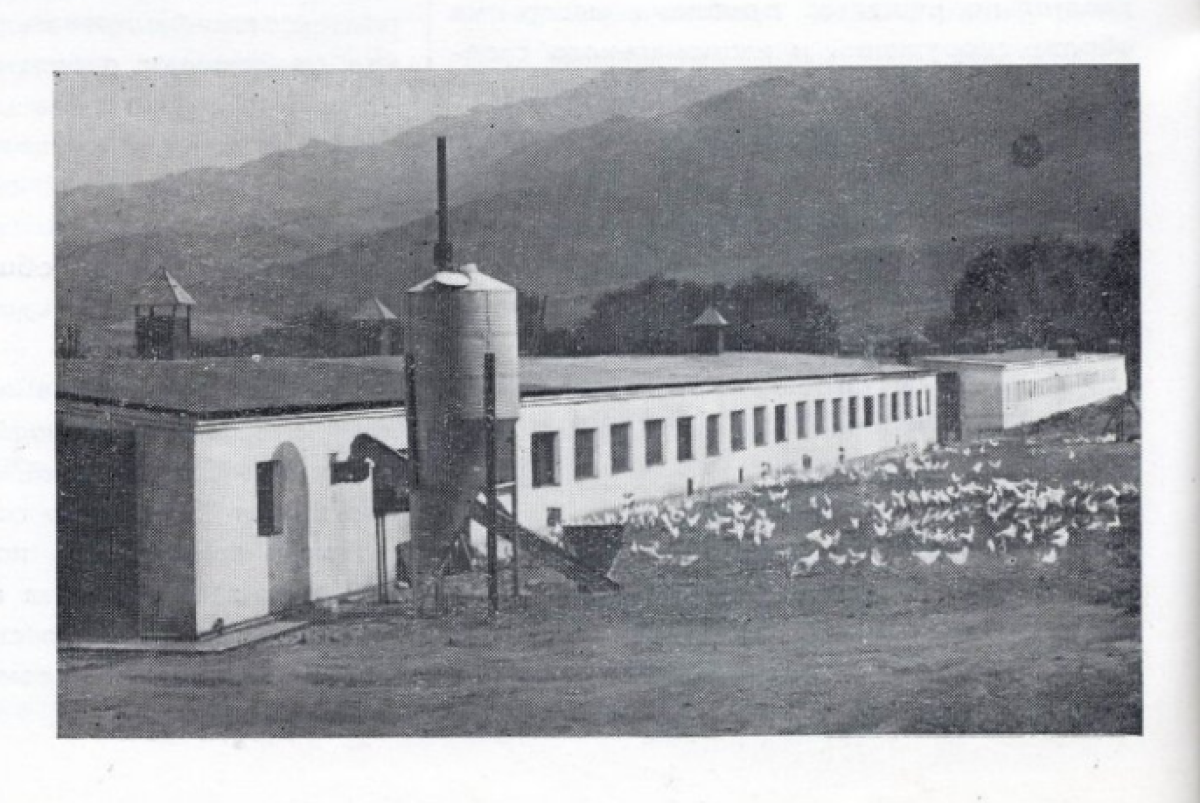
In the 1950s, state-run farms in the Kazakh Soviet Socialist Republic (sovkhozes) expanded dramatically. A 1959 Soviet study of Kazakh agriculture shows that this period saw huge efforts to open new farmland and boost production. Between 1954 and 1956 alone, the USSR brought nearly 36 million hectares of new land into cultivation, of which about 20 million hectares were in Kazakhstan. These new lands were split roughly evenly between state farms and collective farms (kolkhozes). The result was a rapid boom in Kazakhstan’s grain production and farm employment. State farms became a major part of the republic’s economy. By 1956, they employed about 500,000 people – roughly one out of every five workers in the Kazakh SSR. In fact, state farm employment grew over three times faster than industry from 1950 to 1956. The state-farm workforce (nearly half a million by 1956) was the single largest occupation group in the republic.
Rapid Growth and Employment
The expansion of state farms came after early post-war years of recovery. In 1950, state farms were relatively small and diversified, but by 1956 they had grown into large grain-producing enterprises. Most farms had around 500 permanent workers before 1954, but the new “virgin lands” campaign shifted their focus. Staff numbers roughly doubled between 1953 and 1956, even as far more land was cultivated. By 1956 the state farms employed 10% more people than the entire industrial sector. In practical terms, this meant many thousands of rural residents moved to work on these farms at least part of the year. (Since state farms offered steady seasonal jobs, many collective-farm peasants took extra work on state farms during planting and harvest times.)
Government statistics of the period note that state farms’ share of workers rose markedly. For example, one report observes that by 1956 “they were employing one worker in five in the Kazakh Republic”. The fact that farm employment grew much faster than industry (over threefold) underlines how agriculture was being prioritized in the mid-1950s drive.
Rising Wages and Living Standards
Wages on the Kazakh state farms also climbed strongly in this period. In 1950 the average wage was only 15 rubles per day (about 450 rubles a month), but it rose to 24 rubles per day by 1956. This is roughly 600 rubles per month, a substantial sum then. The rise was steady: for example, wages were 16 rubles in 1953, 19 in 1954, and 22 in 1955. In an environment of falling prices (retail prices fell about 25% between 1950 and 1954, and were flat after), these gains were even larger in real terms. In fact, the real wage of a state-farm worker more than doubled during 1950–56.
This wage growth outpaced general economic growth. A broad measure of personal income – retail sales per person (excluding collective-farm markets) – rose about 53% between 1950 and 1956. State-farm wages rose by about 65% over the same period. In other words, farm workers’ incomes increased at least as fast as other workers’ incomes in Kazakhstan. These facts suggest that by the mid-1950s, working on a state farm was comparatively attractive: earnings for state-farm employees rose sharply and often led local wage levels.
State Farms versus Collective Farms
By contrast, life on the collective farms (kolkhozes) improved more slowly. Detailed data on collective-farm distribution of goods is scarce, but we can estimate incomes from aggregated data. If one divides the total cash income of all collective farms by the total labor-days worked, the figure was about 3.5 rubles per labor-day in 1950, rising to 5.5 in 1953 and 11 by 1956. (Keep in mind this “income per labor-day” is an average of the farm’s receipts per day of work; actual take-home pay of a collective farmer would be much lower, since much of the output was reinvested in the farm.) For context, collective farms’ cash income roughly tripled from 1953 to 1956 (from ~2,000 million rubles to about 6,000 million rubles). Even so, a state-farm worker earned far more per day of work. Because of this gap, many collective farmers supplemented their income by working on state farms during peak seasons.
In summary, by the late 1950s a state farm worker typically earned a much higher income than a kolkhoz member. The state farms were on a rapid upswing, while collective farms were growing but not distributing as much cash to farm families.
Shift to Grain and Higher Output
A key change took place around 1954: almost all state farms in Kazakhstan shifted focus to grain growing. Before 1954, farms were more mixed (raising cattle, sheep, etc.), but after 1954 they concentrated on planting wheat and other grains. Index numbers (taking 1953 as 100) illustrate the change by 1956:
Total sown area (all crops): index ~700.
Sown area under grain (mostly spring wheat): index ~1000 (i.e. about 10 times the 1953 grain area).
Fodder crops: index ~210.
Cattle numbers: index 90 (a drop to 90% of 1953 level).
Sheep numbers: index 120 (slight increase).
These figures come from the 1953–56 comparison in the official data. In short, by 1956 each state farm farmed about 7 times more land in total than it had in 1953, mostly in grain; livestock were deemphasized. Farm capital (tractors, machinery, etc.) and annual payroll each roughly tripled, even though the number of workers only doubled.
Production numbers jumped along with these changes. The total wheat harvested in 1956 (from all farms) was reported to be about 5.5 times the 1953 level. Grain exports grew correspondingly: from under 1 million tons by rail/river in 1953, exports rose to about 3 million tons in 1954, and to 7.7 million tons in 1956. These huge harvests and exports made Kazakhstan a major wheat supplier within the USSR. (For comparison, grain exports in 1955 again were under 1 million tons, reflecting the very bad 1955 harvest due to drought.)
Modernizing Machinery and Regional Effects
Mechanization was central to this farming revolution. Between 1953 and 1956, the number of tractors and combines on Kazakh state farms grew more than sixfold. In other words, hundreds of new tractors and combines were delivered to each district. This machine power meant each worker could farm much more land. In Kustanay oblast (a major grain region), the area a single person could cultivate with machinery tripled between 1953 and 1956.
The new resources were concentrated in the northern and north-central oblasts, which had the best conditions for grain. By 1956 a few regions – notably Akmolinsk, Aktiubinsk, Kokchetav, and Kustanay – had become Kazakhstan’s grain belt. In these areas farms had far more capital and equipment per worker than elsewhere. For example, Akmolinsk oblast averaged about 32,500 rubles of farm machinery and equipment per worker, and had roughly 400–540 tractors per 1,000 workers (plus about 200 combines per 1,000). Farm staff there worked almost entirely with machines and thus earned high wages. The average pay in those northern oblasts was well above the republic’s average during 1954–56.
By contrast, in the south and southwest, rapid grain development did not occur (mostly due to climate). Semi-desert regions remained focused on sheep, goat, and some cotton farming under irrigation. These southern areas had very little machinery and low farm capital per person, so wages there stayed low. In short, the western and southern oblasts outside the grain belt lagged behind; in these places most work was still done by hand or with animals, and farm workers earned far less than their northern counterparts.
Consolidation by the Late 1950s
After the peak growth years, changes in late 1955 and 1956 hinted at a new phase. The number of state farms in Kazakhstan actually decreased slightly – from 631 farms in 1955 to 628 in 1956. This small drop came alongside a slight reduction in non-productive staff. Investment patterns also shifted: new machinery was still added, but other assets (like buildings) grew more slowly. These trends suggest the start of a consolidation phase. In other words, after the crisis of the 1955 drought, planners began to stabilize the farm network rather than expand it even further. (Contemporary reports noted complaints about machines wearing out without proper storage, which may have encouraged this shift.)
From a historical perspective (looking back from 2025), this data illustrates the dramatic sweep of the 1950s “virgin land” campaign in Kazakhstan. In just a few years, hundreds of state farms were created or enlarged, and rural Kazakhstan was flooded with tractors and workers to plant grain. Wages and living standards for farm laborers rose rapidly, especially in the new northern grain regions. But the figures also show the strains of such rapid change: after 1955 the system began to slow and reorganize. In any case, the late 1950s data make clear that state farms had become central to Kazakhstan’s economy by the end of the decade.
Source: This article is based on statistics from Soviet Studies, Vol. 10, No. 3 (Jan. 1959), pp. 310–312.
